


2-8 Days Arrival

30-Day Return

2-Year Warranty
You may also like
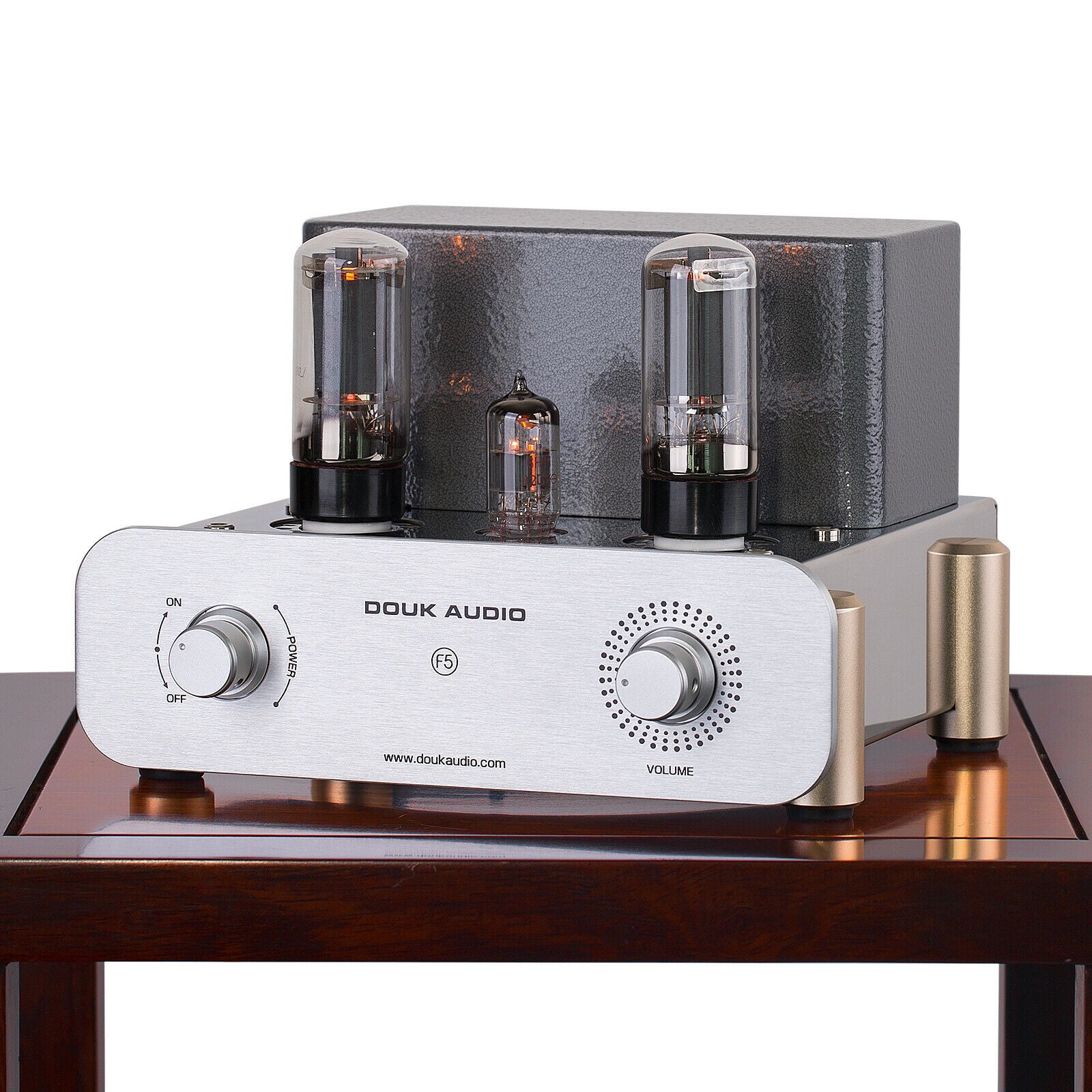
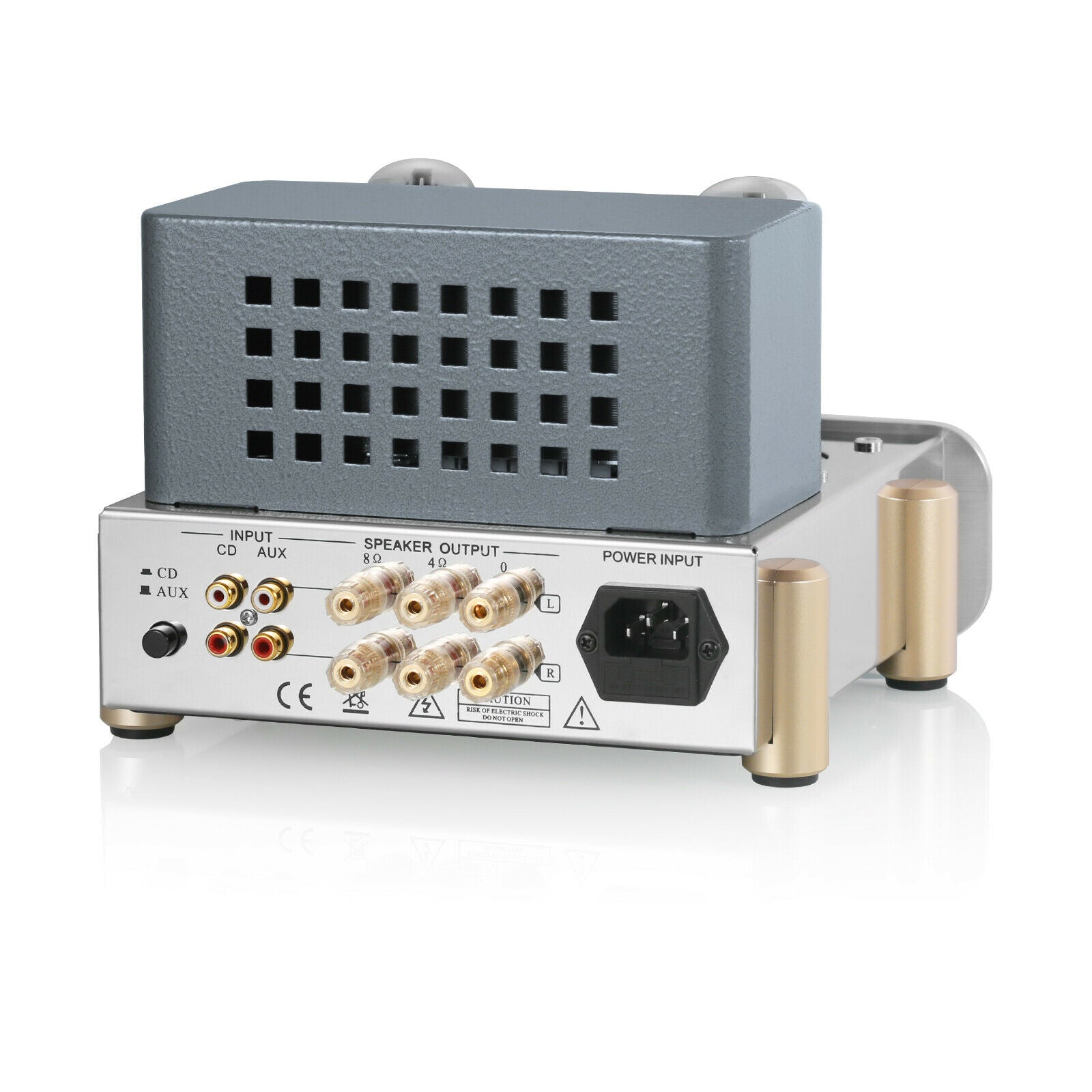
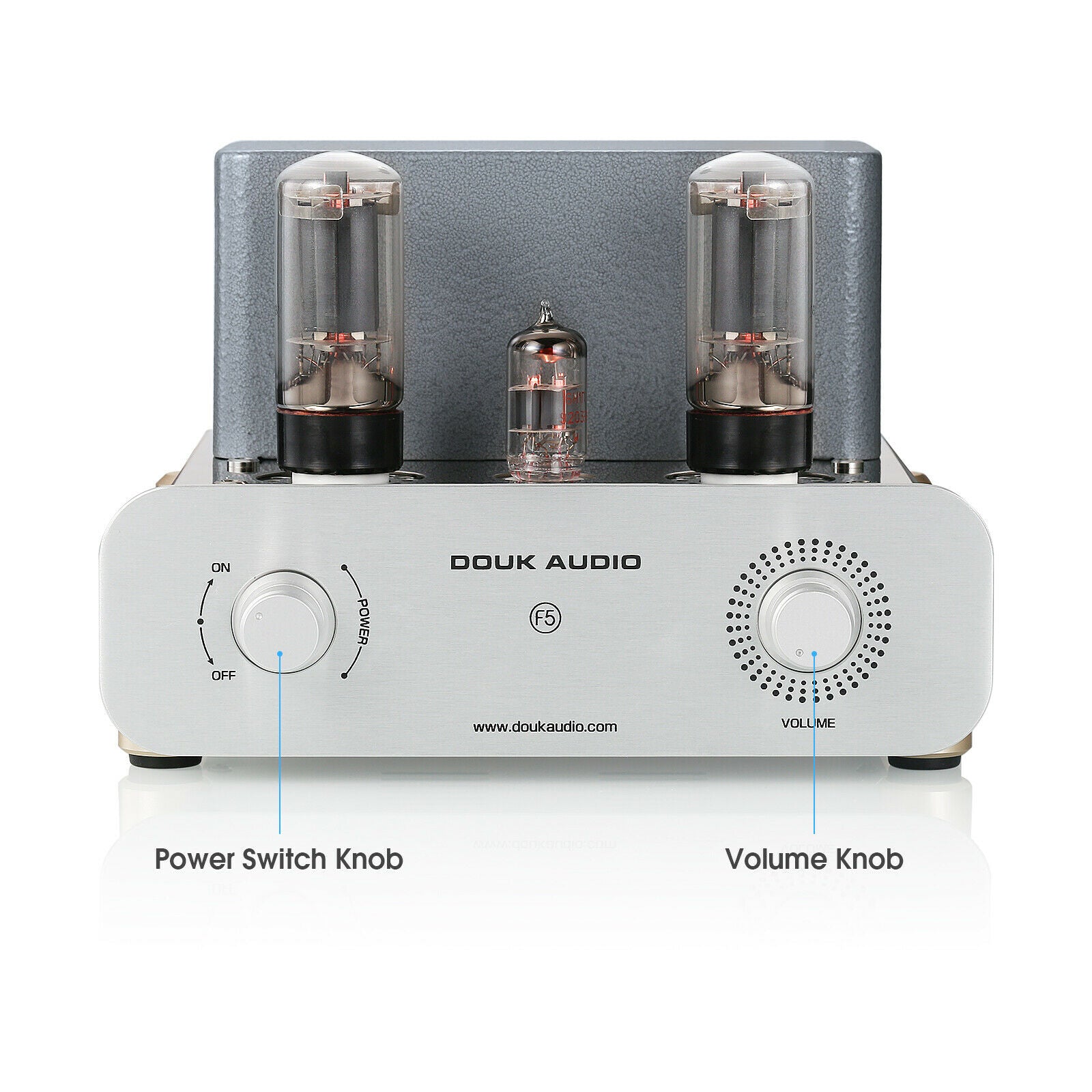
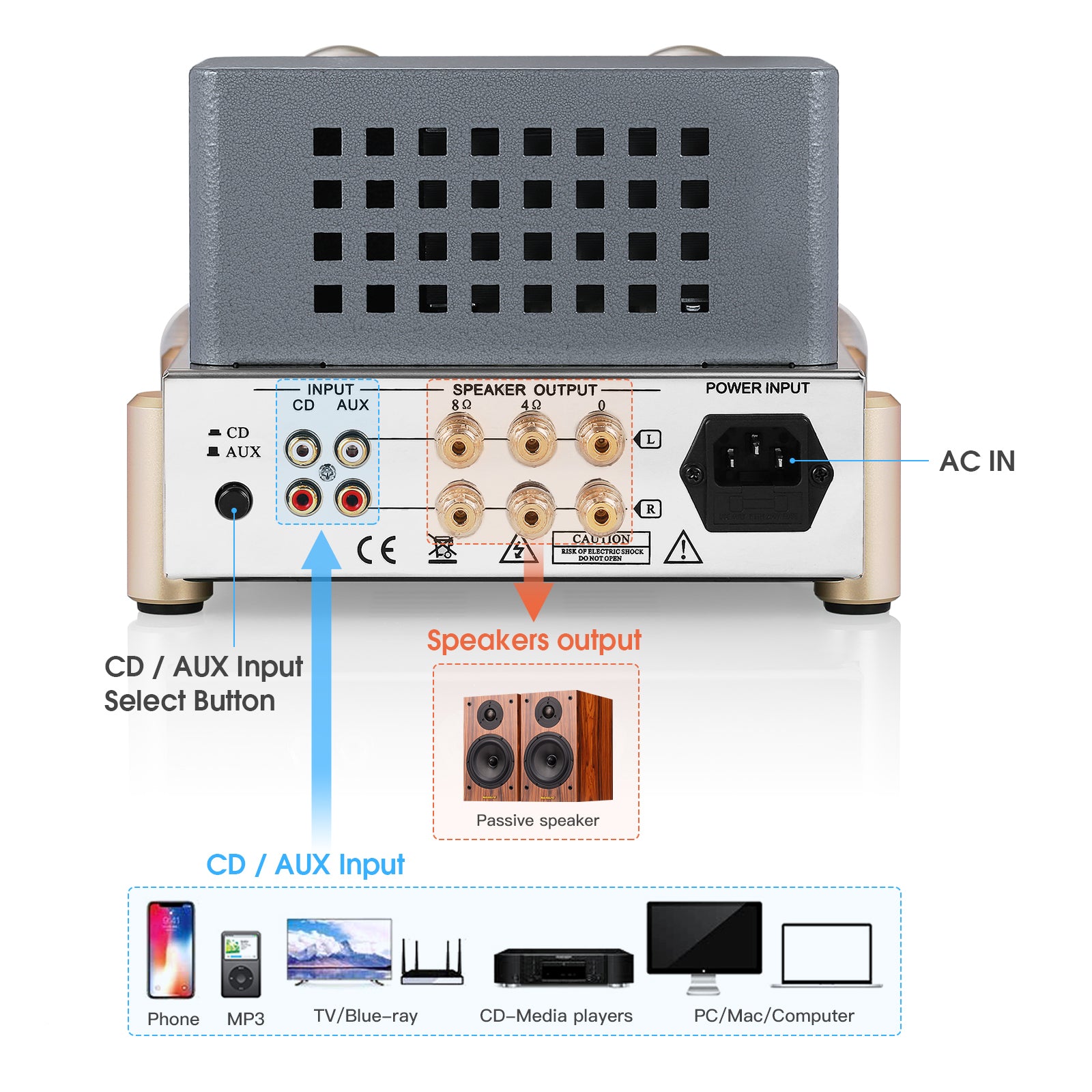
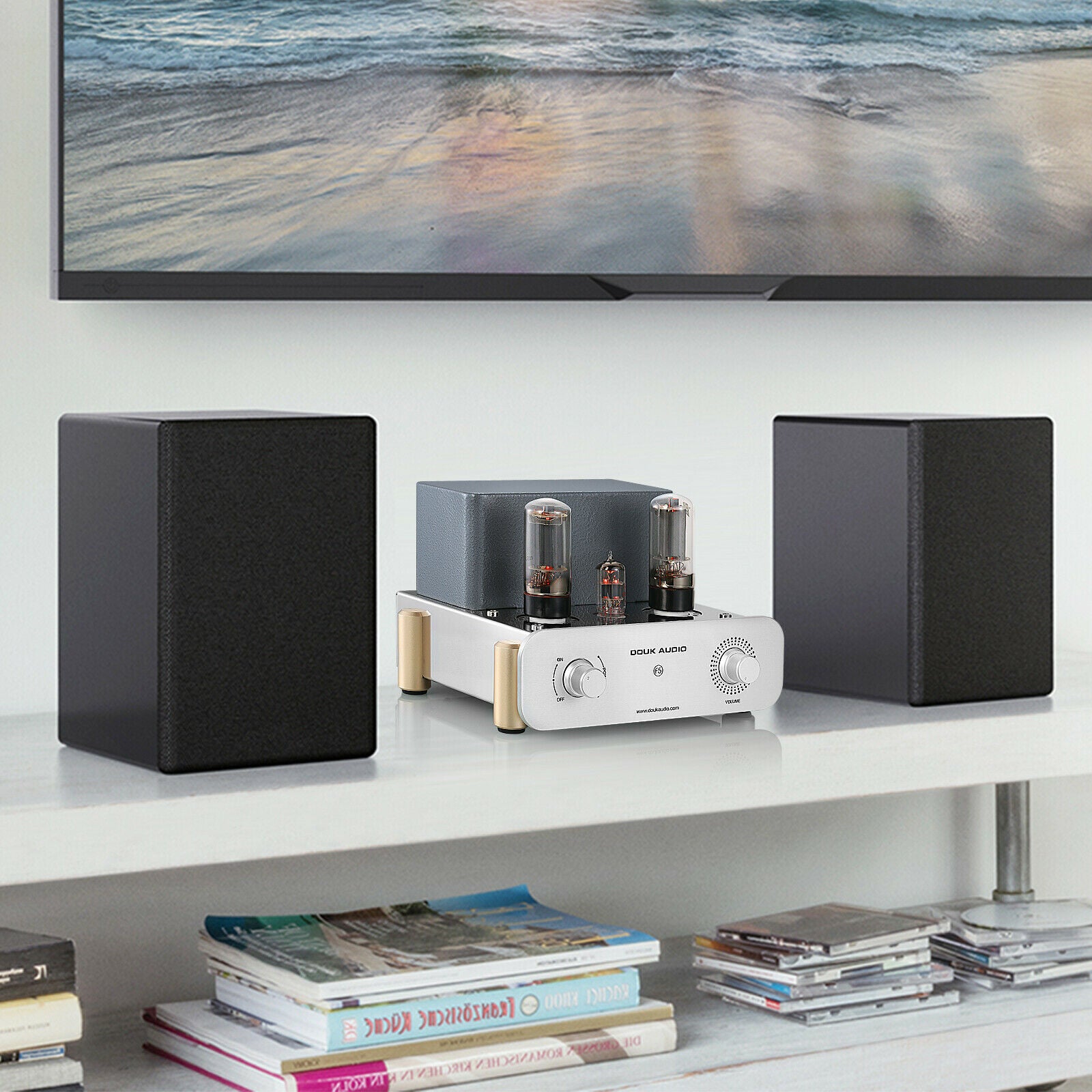
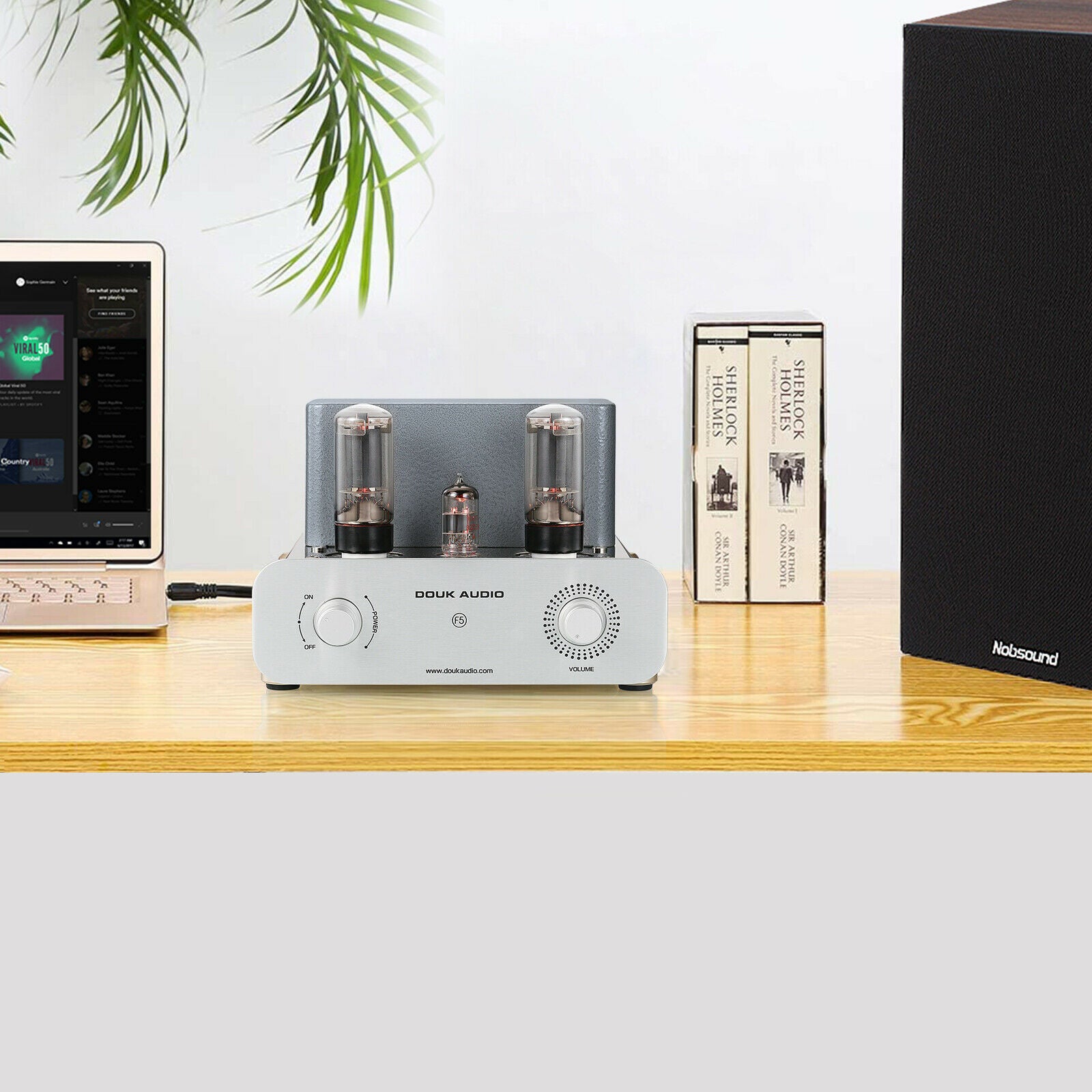
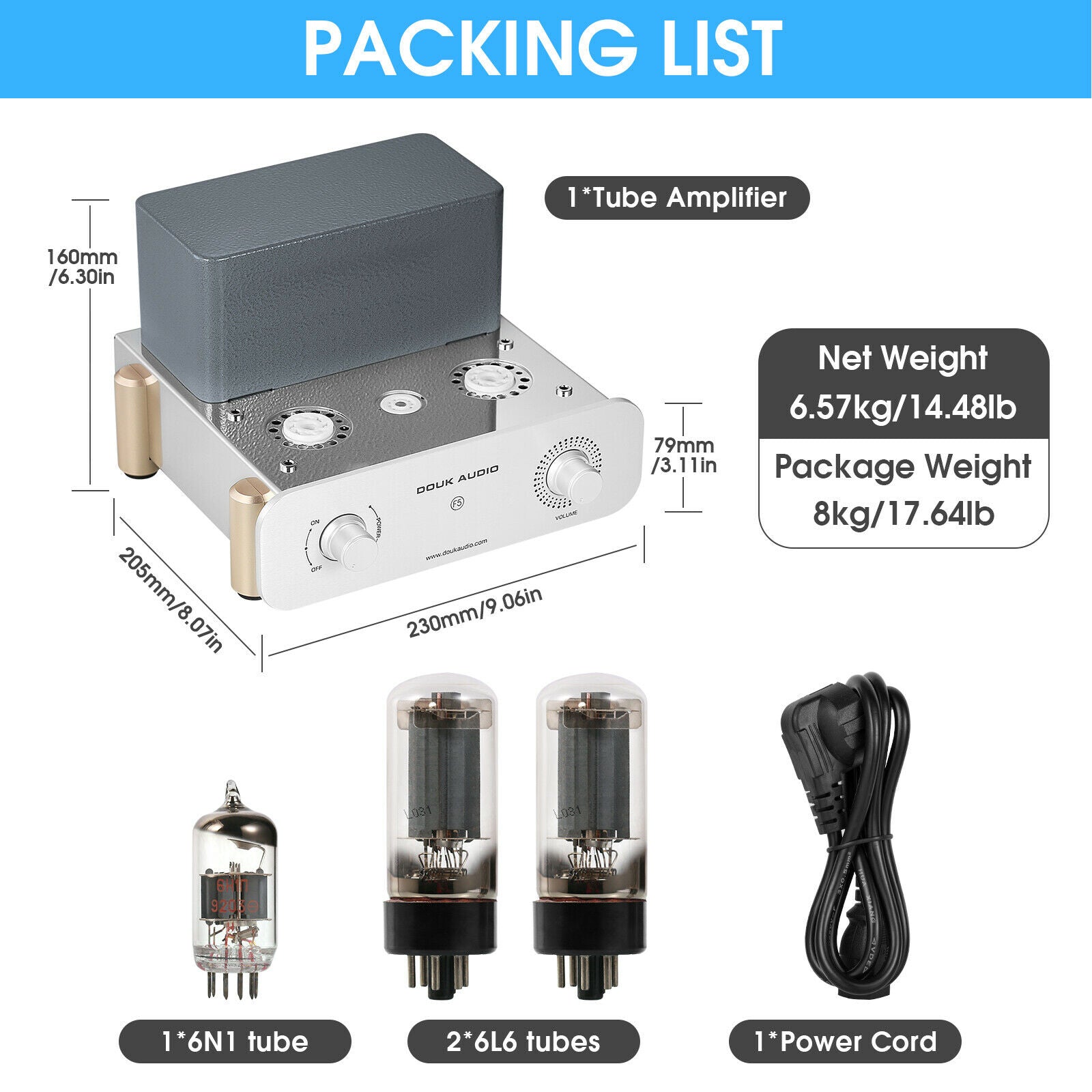
Douk Audio F5 HiFi Vacuum Tube Amplifier Pure Class A Single-ended Stereo Audio Amp
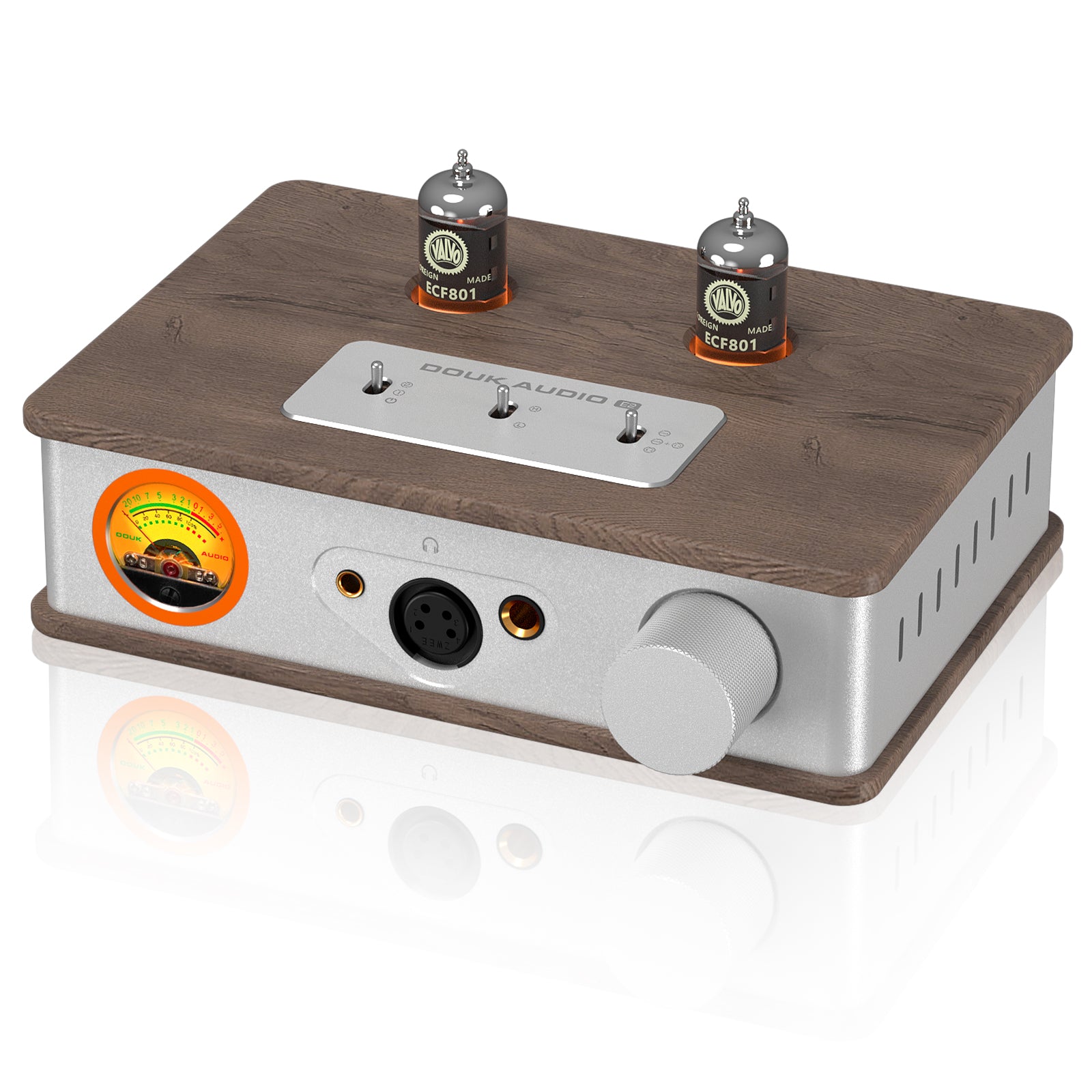
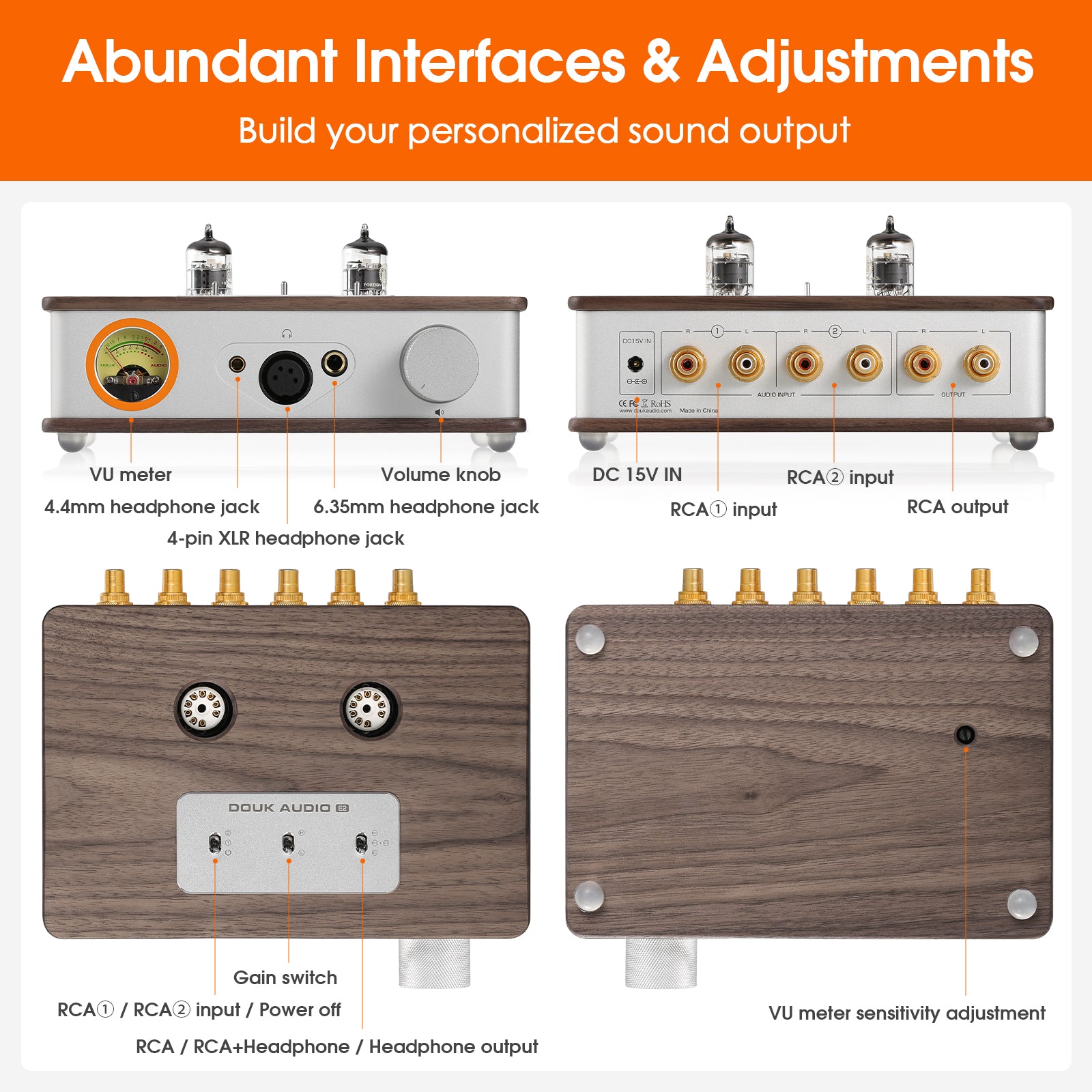





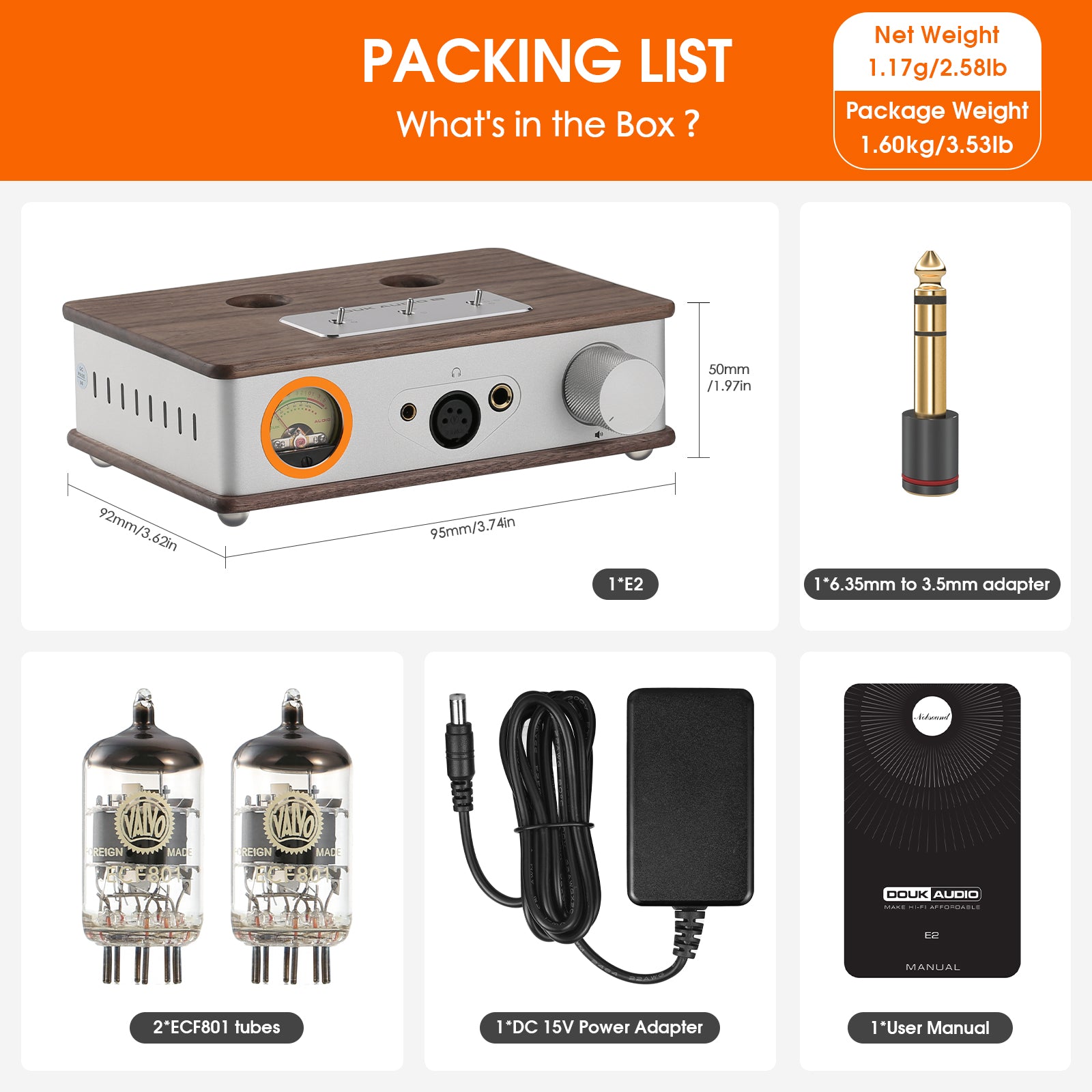
Douk Audio E2 Tube Headphone Amplifier XLR/4.4mm/6.35mm HiFi Stereo Preamplifier
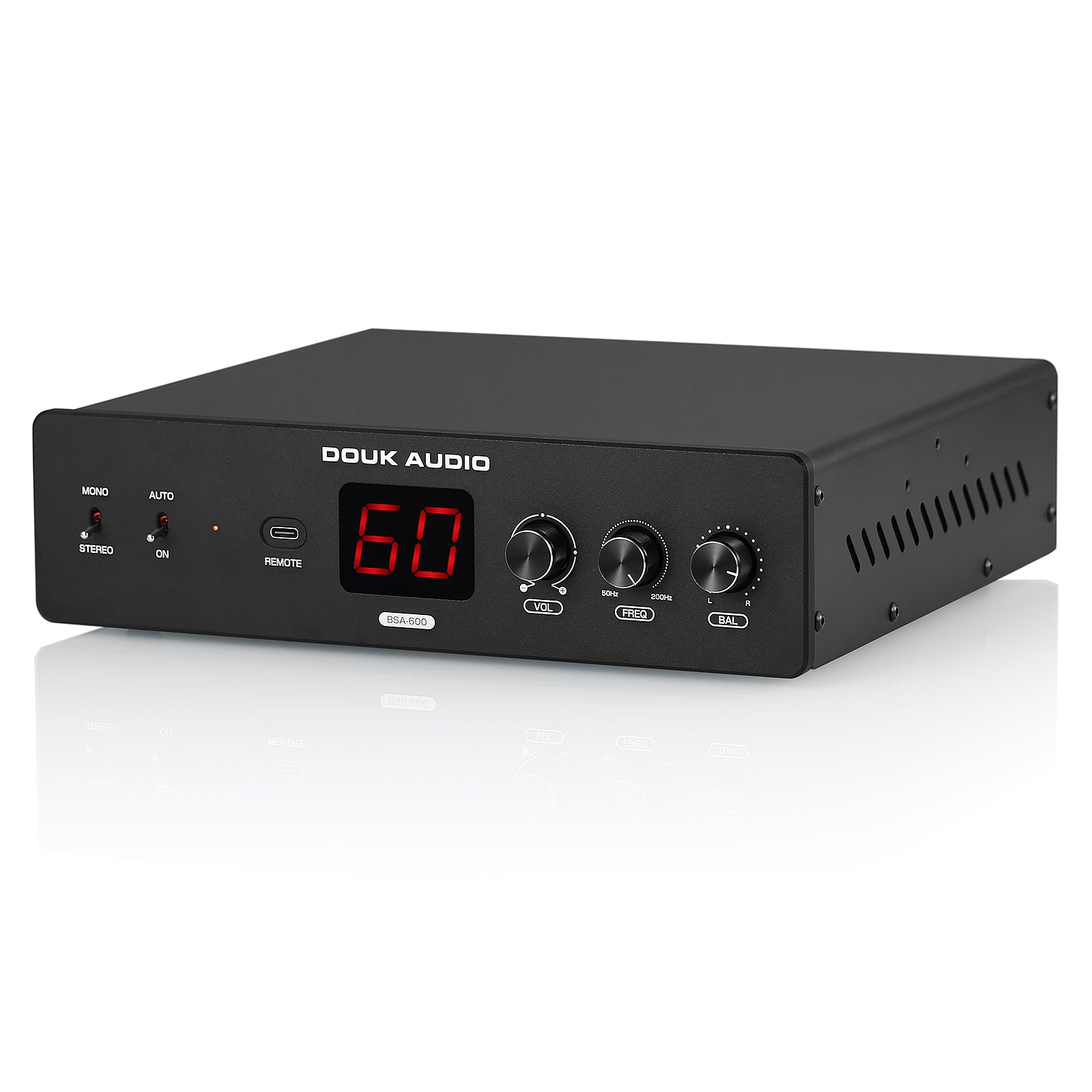
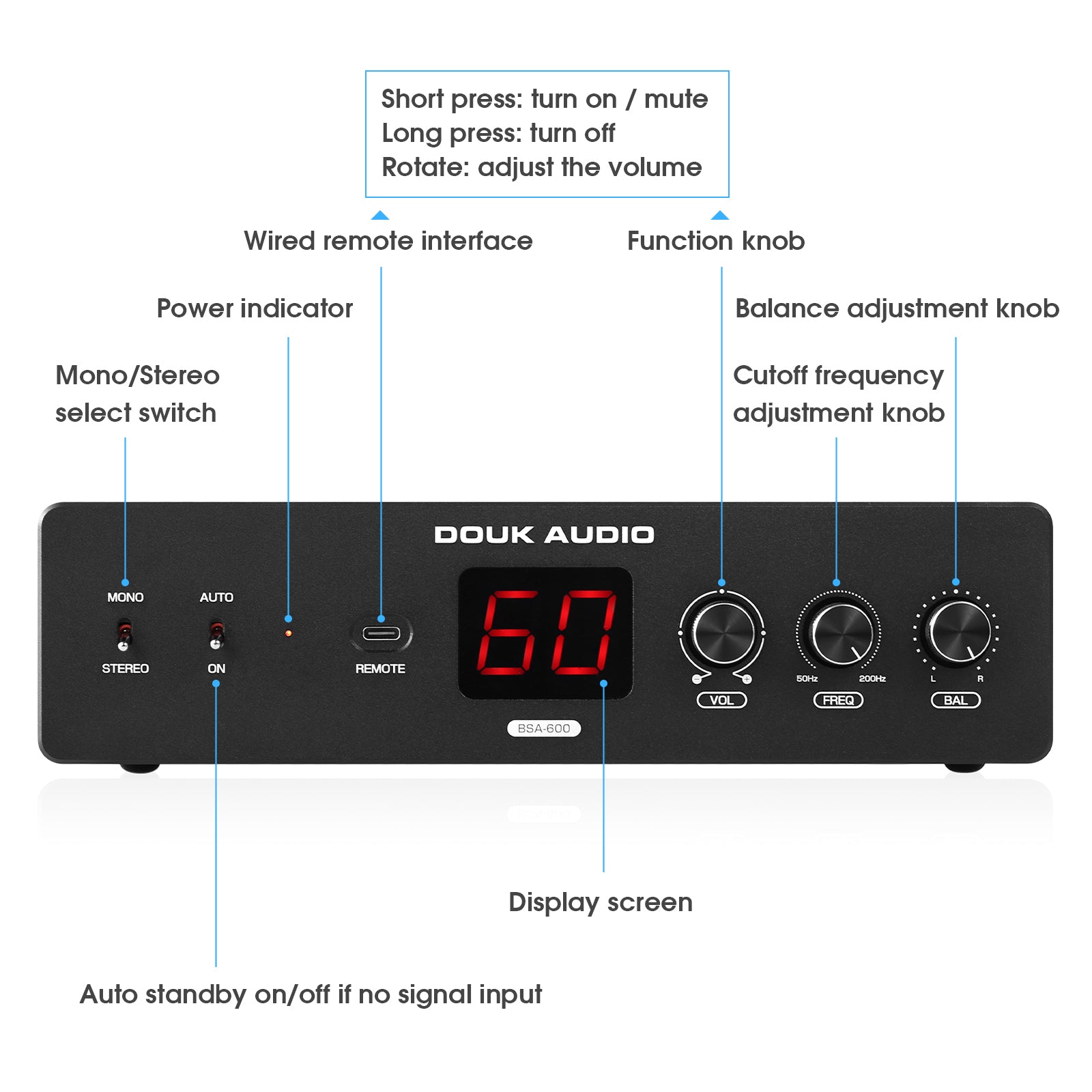
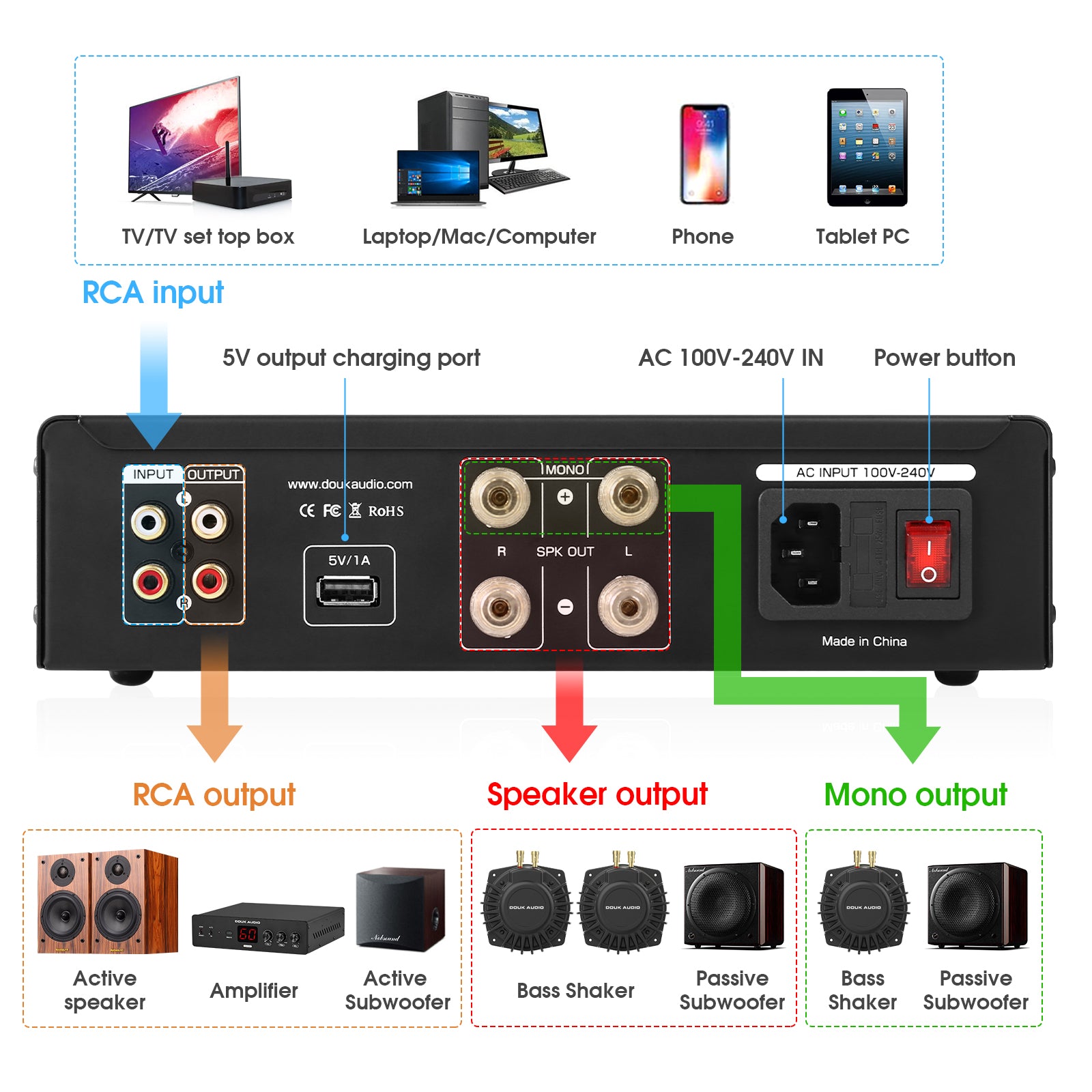
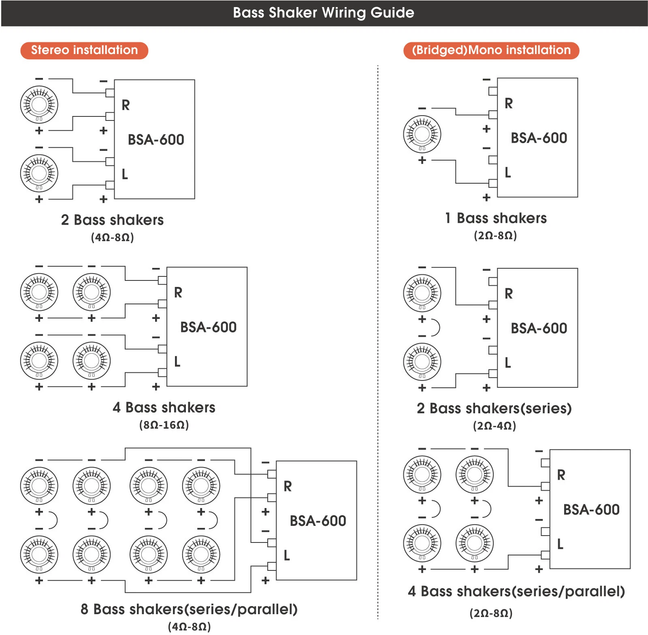

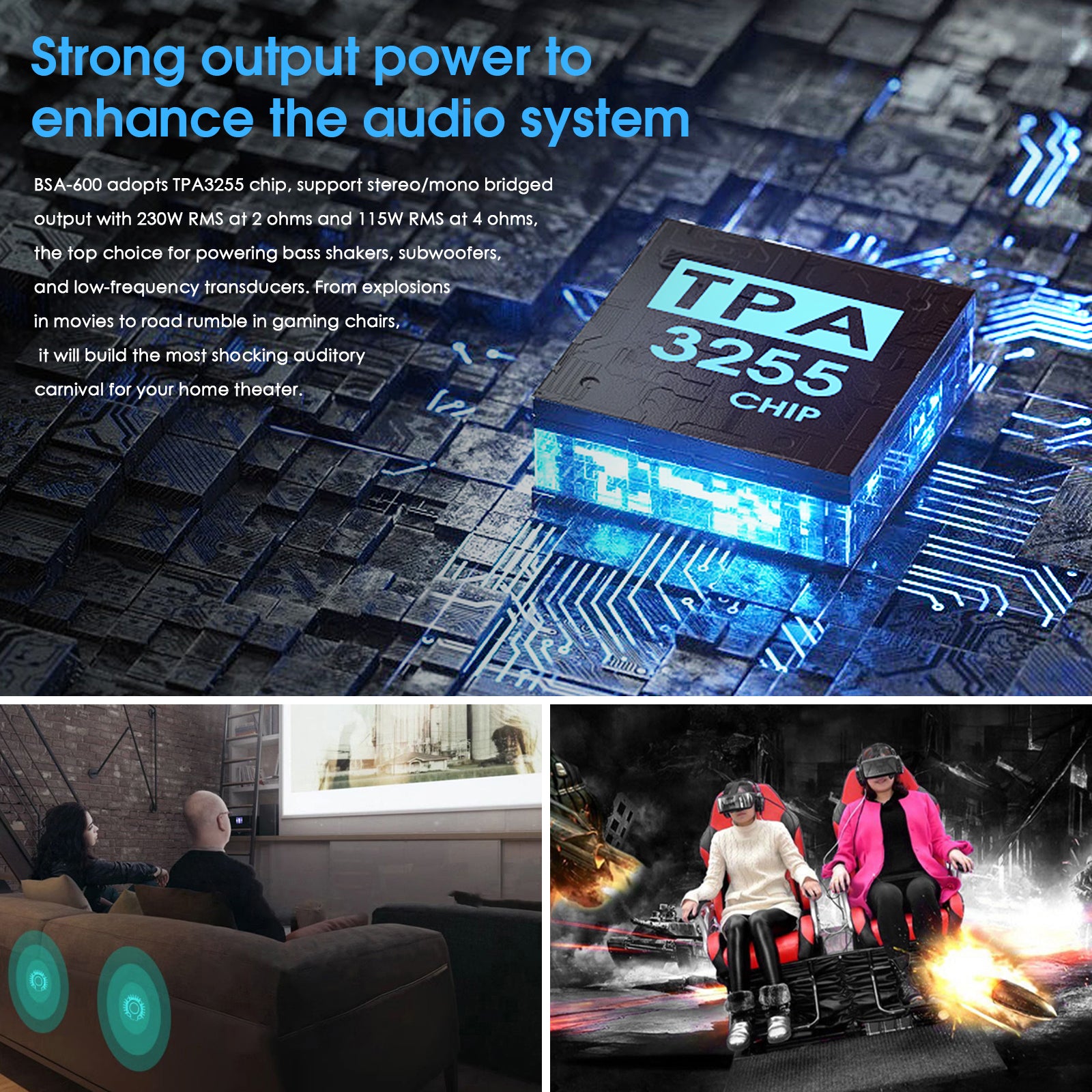
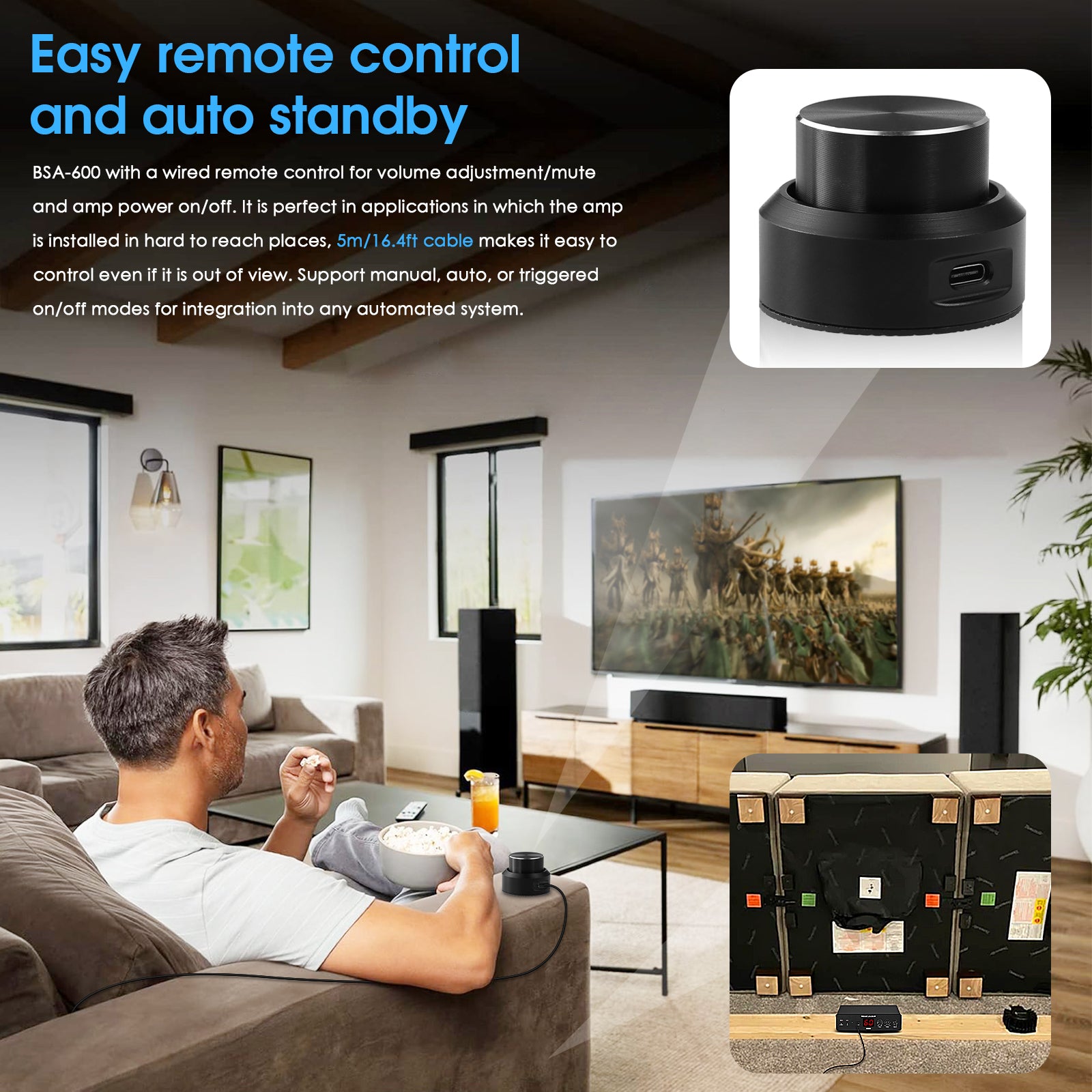
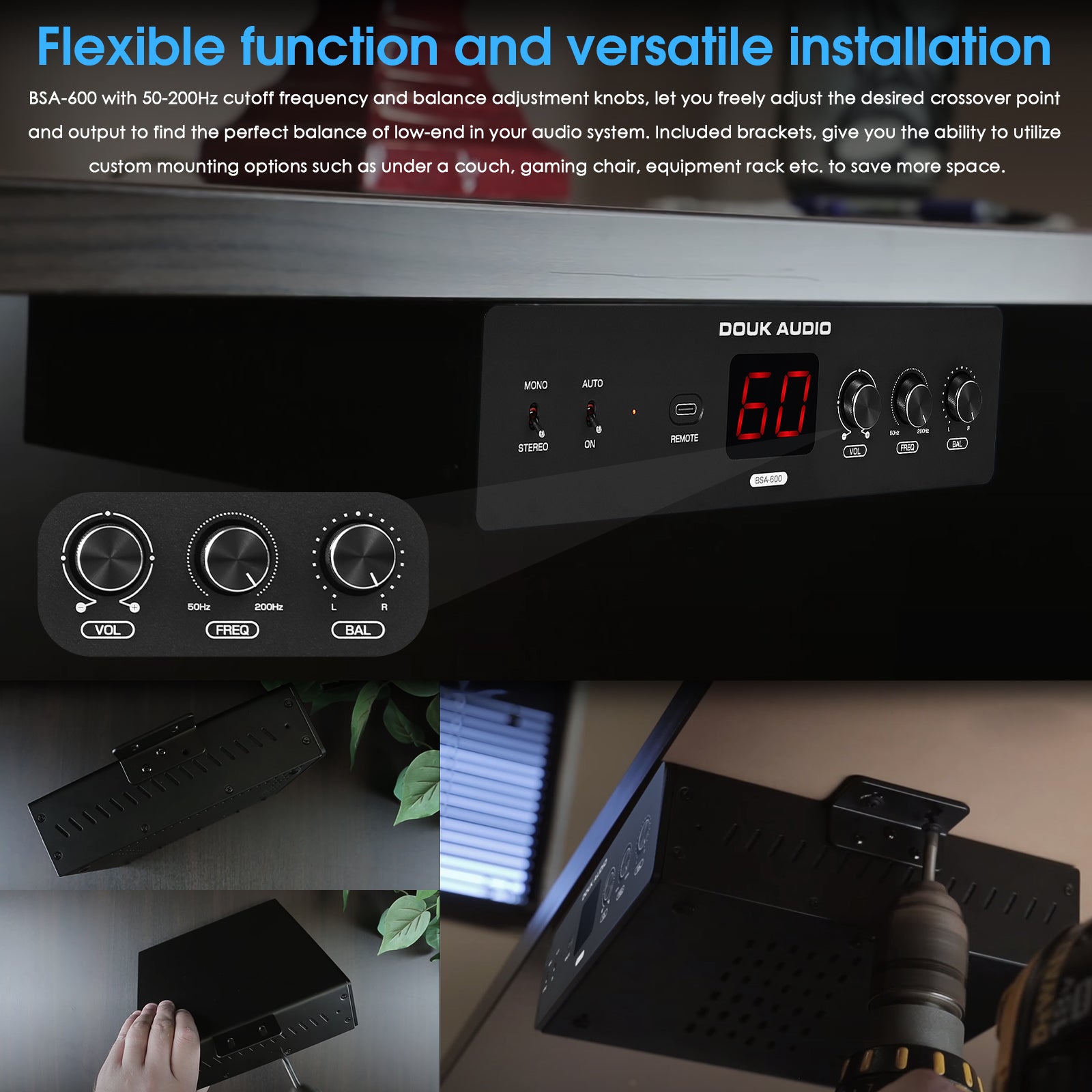
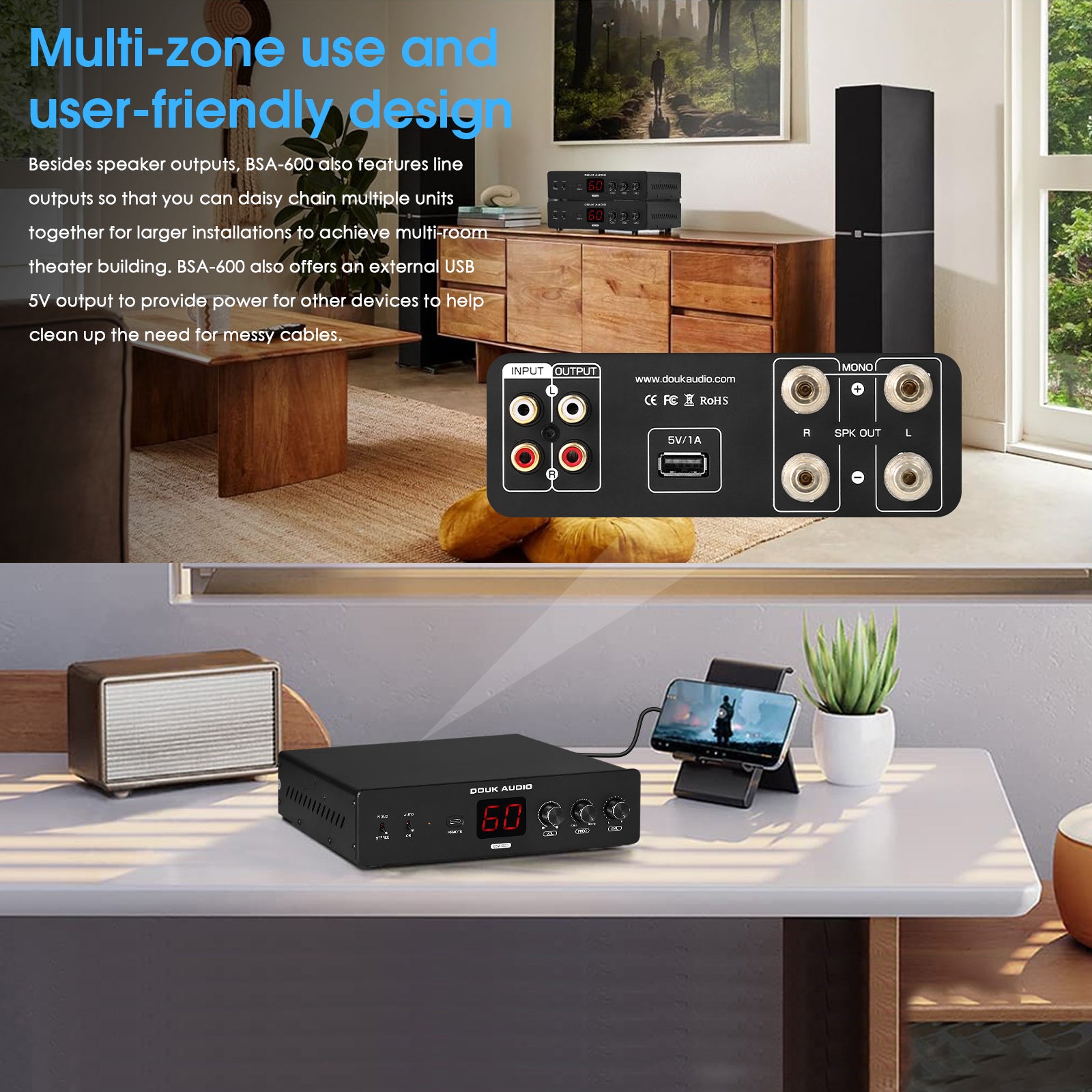
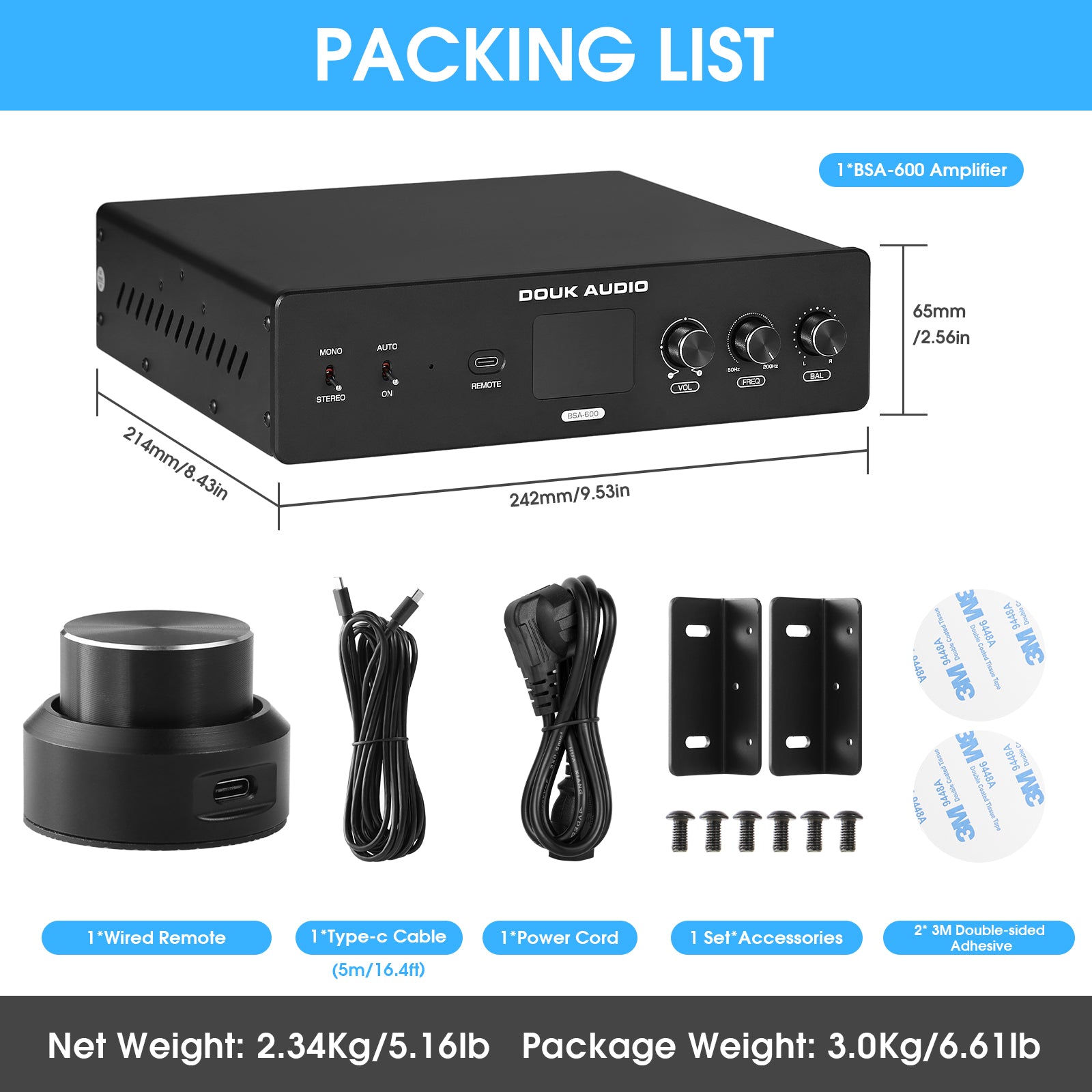
Douk Audio BSA-600 230W Bridge Stereo/Mono Bass Shaker Amplifier Subwoofer Power Amp for Transducer

@v-mire.net
Why everyone praises the Ampapa D1 amplifier with TPA3255 2x 300W

@Williston Audio Labs
This Little Amp Has a SHOCKING Feature

@Souzoukan Technical Report
Revealing the performance of the Chinese-made Ampapa D1 with a glass window

@HiFi Huff
FUN! Comparing SIX Integrated Amps from $199 to $25,000. Also, are Separates BETTER?

@Old Guy Hifi
Not in price but in Performance! The Ampapa (Douk) D1 Hifi Amp.

@Christian Schwarzbeck - China-HiFi
Ampapa D1 – Der kompakte High-Tech-Verstärker mit 3 Eingängen, VU-Metern, PFFB & Hochpassfilter!
FAQs
FAQs
Q: Can the BS-2 be used as a regular speaker?
A: No. It is designed for low-frequency tactile feedback, not full-range sound playback.
Q: What amplifier should I use with the BS-2?
A: Use a bass shaker amplifier or compatible subwoofer amp with low-pass filter, such as the Douk Audio G100. A regular 4Ω amp can also drive it, but the vibration effect may be less ideal with full-range signals.
Q: How much amplifier power is safe for the BS-2?
A: The BS-2 is rated at 30W, with 50W max input power and 4Ω impedance. Do not exceed 50W per unit. For long-term use, keeping output closer to 30W is recommended.
Q: Can I connect multiple BS-2 units together?
A: Yes, but total impedance changes with wiring. Two units in series equal about 8Ω, while two in parallel equal about 2Ω. Always confirm your amplifier supports the final impedance before use.
Q: Why isn't D1 syncing power on and off with my other devices via the 12V Trigger?
A: The D1's 12V Trigger uses a TRS connection. Please use a TRS cable (compatible with both TS and TRS jacks) to link to the trigger output of your other devices.
Q: Can I replace the op-amps in the D1?
A: Yes, the D1 uses 2PCs pluggable NE5532 op-amps, which can be replaced by normal dual op-amps like 2604/2134/muses02 etc. Before replacing, please turn off the power, ensure correct orientation, and power ononly after confirming proper installation.
Q: Why don't the single VU meter and spectrum display work properly?
A: In dual VU meter mode, both meters show the audio levels for the left and right channels separately.In single VU meter and spectrum modes, the D1 only detects the left channel input. If only the right channel is connected, the VU meter and spectrum display will not operate.
Q: Does the high-pass filter affect the Pre-Out signal?
A: No, the high-pass filter only applies to the speaker output. The Pre-Out delivers a full-range signal.
Q: Are the Pre-Out's volume and tone controls synchronized with the speaker output?
A: Yes.
Q: Is it normal for the D1 to become hot during operation?
A: The D1's TPA3255 amp chip dissipates heat through contact with the chassis. It is normal for the chassis to heat up during operation. This does not affect performance or lifespan of the D1. Please place the D1 in a well-ventilated area,and avoid stacking devices or blocking ventilation.
Q: What should I use the 12V trigger input for?
A: The 12V trigger input is designed for use with preamps or DACs that have a trigger output to achieve synchronous power on and off. Please do not use this port as an audio input or connect it to a power supply, as this could damage the D1.
Q: What is the required power supply for the D1?
A: The D1 requires a DC 24-48V (≥4A) input voltage. Please use the supplied power adapter for optimal performance. lf using a third-party power supply,ensure it meets the required voltage and current specifications.
Q: Why doesn't the remote control include batteries?
A: For safer and faster delivery, the remote control may not include batteries (AAA*2). Please prepare them yourself.
- Single-ended Class A Tube Amp: The F3 uses a single-ended Class A tube circuit for smooth, continuous amplification, helping vocals sound softer, instruments more textured, and music more relaxed. Connect RCA line sources such as DACs, CD players, or streamers for a warm HiFi listening experience.
- Classic Analog Tube Sound: GE 6DK6 driver tubes help shape clear mids and vocal presence, while Valvo PL84 output tubes add warmth, rich harmonics, and natural tube character. Together, they create an analog tube sound that balances clarity, texture, and long-session listening comfort.
- Refined 3.2W × 2 Class A Output: With 3.2W × 2 of pure Class A power, the F3 is tuned for high-sensitivity passive bookshelf speakers. Its smooth output character gives vocals more body, preserves natural dynamics, and keeps music relaxed, coherent, and easy to enjoy.
- Real-Time Music Spectrum Display: Watch your music come to life on the front spectrum display. Vibrant visual feedback matches the glowing tubes, giving you an immersive, analog-inspired experience that engages sight and hearing together, turning every track into a small performance.
- Handcrafted Wood Cabinet: Each F3 features a handcrafted wood cabinet with natural grain, making every unit unique. Compact and elegant, it blends seamlessly into your desktop or HiFi setup, adding tactile warmth and a refined, vintage feel to your listening environment.
- Brand: Douk Audio
- Model: F3
- Audio Input: Stereo RCA
- Audio Output: Banana Speaker Jacks
- Vacuum Tubes: PL84 × 2, 6DK6 × 2
- Output Power: 3.2W × 2
- Output Impedance: 4Ω / 8Ω
- SNR: ≥ 85 dB
- THD (at rated power): ≤ 7%
- Frequency Response: 30Hz – 20kHz (±3dB)
- Input Sensitivity: 500mV – 2V
- Rated Power Consumption: 42W
- Input Voltage: AC 100–240V, 50/60Hz
- Dimensions (W × D × H): 180 × 144 × 115 mm / 7.09 × 5.67 × 4.53 in
- Net Weight: 2.5 kg / 5.51 lb
- Package Weight: 2.9 kg / 6.39 lb
- 1 × F3
- 2 × 6DK6 Tubes
- 2 × PL84 Tubes
- 1 × Power Cable
FAQs
Q: Why does my F3's wooden finish look slightly different from the pictures?
A: The F3 features a real wood cabinet, handcrafted for each unit. Natural grain and color variations may occur, and minor cosmetic imperfections are normal, making each amplifier unique.
Q: Can I power on the F3 without speakers connected?
A: No. Always connect speakers before powering on. Operating without a load may damage the output transformer.
Q: Can I leave the volume knob at my usual listening position when turning the F3 on or off?
A: No. Always set the volume knob to minimum before power on and power off to protect the tubes and internal circuitry.
Q: Why does the F3 sound tight or thin right after turning on?
A: This is normal. Tubes require 30–60 minutes to reach proper operating temperature, after which sound becomes smoother and more natural.
Q: Some tube sockets appear to have missing pin contacts. Is this a defect?
A: No. Some ceramic tube sockets are designed without contacts for unused tube pins. It does not affect performance.
Q: Can I upgrade or replace tubes with other models?
A: No. Using other types may damage the F3. The model of the supplied tubes may vary depending on the production batch, which is normal. Please refer to the actual product received.
FAQs
FAQs
Q: Can the BS-2 be used as a regular speaker?
A: No. It is designed for low-frequency tactile feedback, not full-range sound playback.
Q: What amplifier should I use with the BS-2?
A: Use a bass shaker amplifier or compatible subwoofer amp with low-pass filter, such as the Douk Audio G100. A regular 4Ω amp can also drive it, but the vibration effect may be less ideal with full-range signals.
Q: How much amplifier power is safe for the BS-2?
A: The BS-2 is rated at 30W, with 50W max input power and 4Ω impedance. Do not exceed 50W per unit. For long-term use, keeping output closer to 30W is recommended.
Q: Can I connect multiple BS-2 units together?
A: Yes, but total impedance changes with wiring. Two units in series equal about 8Ω, while two in parallel equal about 2Ω. Always confirm your amplifier supports the final impedance before use.
The User Manual of F3
Q: Why isn't D1 syncing power on and off with my other devices via the 12V Trigger?
A: The D1's 12V Trigger uses a TRS connection. Please use a TRS cable (compatible with both TS and TRS jacks) to link to the trigger output of your other devices.
Q: Can I replace the op-amps in the D1?
A: Yes, the D1 uses 2PCs pluggable NE5532 op-amps, which can be replaced by normal dual op-amps like 2604/2134/muses02 etc. Before replacing, please turn off the power, ensure correct orientation, and power ononly after confirming proper installation.
Q: Why don't the single VU meter and spectrum display work properly?
A: In dual VU meter mode, both meters show the audio levels for the left and right channels separately.In single VU meter and spectrum modes, the D1 only detects the left channel input. If only the right channel is connected, the VU meter and spectrum display will not operate.
Q: Does the high-pass filter affect the Pre-Out signal?
A: No, the high-pass filter only applies to the speaker output. The Pre-Out delivers a full-range signal.
Q: Are the Pre-Out's volume and tone controls synchronized with the speaker output?
A: Yes.
Q: Is it normal for the D1 to become hot during operation?
A: The D1's TPA3255 amp chip dissipates heat through contact with the chassis. It is normal for the chassis to heat up during operation. This does not affect performance or lifespan of the D1. Please place the D1 in a well-ventilated area,and avoid stacking devices or blocking ventilation.
Q: What should I use the 12V trigger input for?
A: The 12V trigger input is designed for use with preamps or DACs that have a trigger output to achieve synchronous power on and off. Please do not use this port as an audio input or connect it to a power supply, as this could damage the D1.
Q: What is the required power supply for the D1?
A: The D1 requires a DC 24-48V (≥4A) input voltage. Please use the supplied power adapter for optimal performance. lf using a third-party power supply,ensure it meets the required voltage and current specifications.
Q: Why doesn't the remote control include batteries?
A: For safer and faster delivery, the remote control may not include batteries (AAA*2). Please prepare them yourself.


Douk Audio BS-2
A Perfect Match for G100
As the next model following BS-1, BS-2 features a more compact design with improved efficiency, and pairs perfectly with the Douk Audio G100.
- Rated Input Power: 30W
- Max Input Power: 50W
- Impedance: 4Ω ±15%
- Resonant Frequency: 57–63Hz